

The wiring you cannot add once the drywall is up
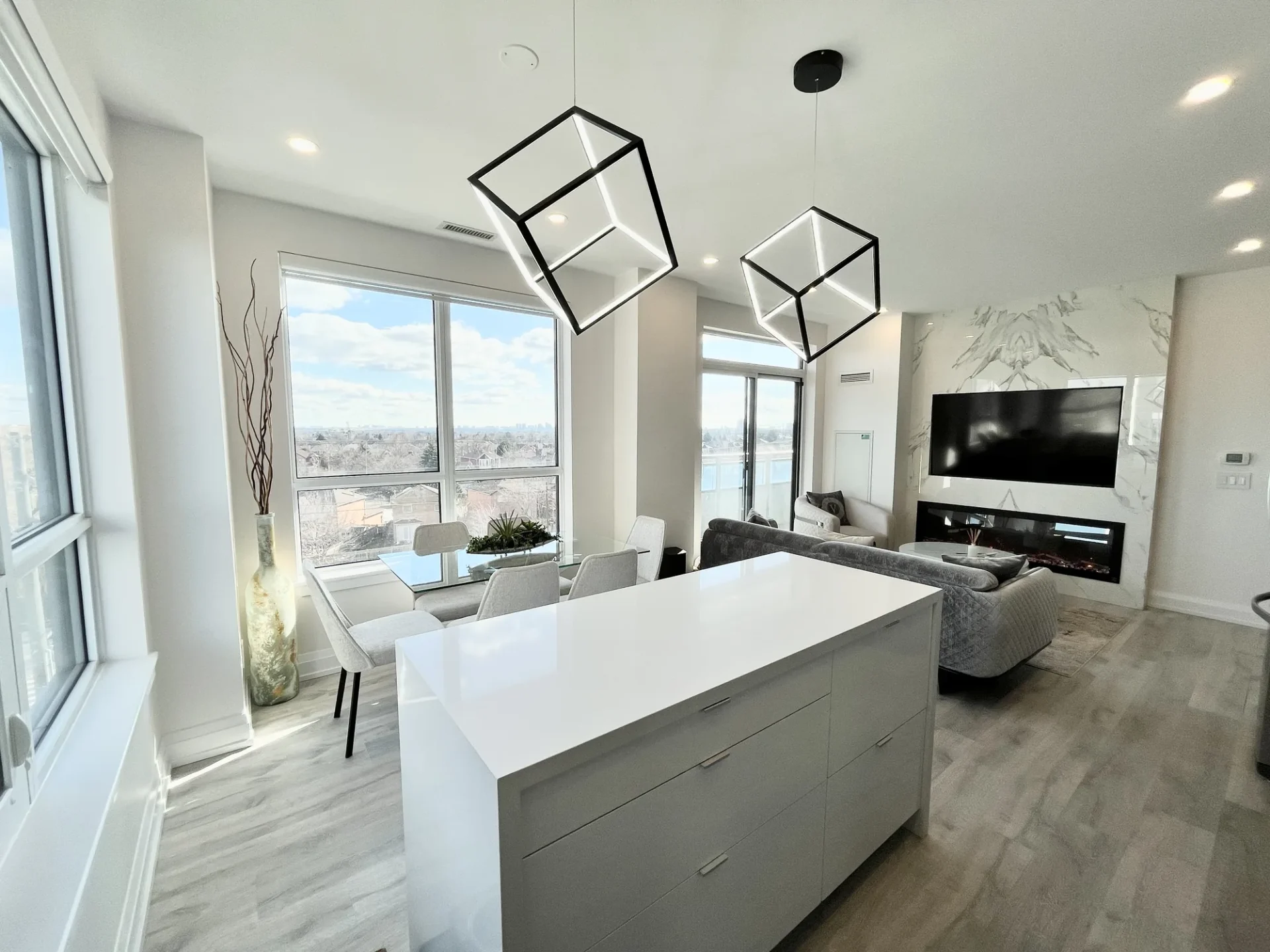
Backlit mirrors, heated floors, an island that needs power, and the second switch you will want in six months. All of it costs an hour before boarding and a wall after it.
Electrical work is invisible when it is done at the right time and expensive when it is done later. Most of the circuits that make a finished room feel complete have to be run while the walls are still open.
What disappears behind the drywall
Several items are simple to install during rough-in and difficult or destructive afterwards:
- Dedicated circuits for heated floors, under-cabinet lighting or a high-power appliance
- Wiring for backlit mirrors and recessed niches
- Extra switched outlets or USB outlets in exact locations
- Speakers, data or low-voltage runs for a media wall
- The second or third switch leg that lets you control a light from both ends of a room or from the bed
Once the boards are up, each of these becomes a fishing exercise or a chase cut into finished surfaces. The repair is never invisible, and the cost is several times the original rough-in price.
Why the plan has to be complete early
Lighting layouts are not decorative. They determine where the cables run, how many circuits are needed, and whether the panel has capacity. An island with a microwave, a pop-up outlet and under-counter lighting needs its own planning; so does a bathroom with a heated floor, a lit niche, a backlit mirror and an exhaust fan on a timer.
Alex, as the Master Electrician on the team, draws the electrical plan at the same time as the rest of the design. That plan is what gets filed with the ESA and what the rough-in follows. Changes after the walls are closed are still possible, but they are change orders that open finished work.
Common late requests
The requests that arrive after the drywall is up are predictable:
- “Can we add a switch by the bed?”
- “We want the mirror backlit after all.”
- “The island needs power for a blender.”
- “Is there a way to put an outlet inside the pantry?”
Each one is solvable. Each one also means cutting, patching, painting and, in some cases, a new inspection. Doing the same work at rough-in is a matter of an extra cable and an extra box.
Capacity is not infinite
Older houses in the GTA often have panels that are already near capacity. Adding a heated floor, a second kitchen circuit or a series of high-load outlets may require a panel upgrade or a sub-panel. That decision belongs at the measure, not after the cabinets are installed and the only access to the panel is through a finished laundry room.
What to ask at the measure
- Which lights, outlets and devices need to be on their own circuits?
- Where will the switches sit so the room works in daily use, not just on the plan?
- Is there capacity in the existing panel for the new loads?
- Which low-voltage runs (data, speakers, control wiring) should be pulled now?
- Are there any future appliances or furniture pieces that will need power in specific places?
Walk the room and point to every location where you expect to plug something in or turn something on. We will translate that into a rough-in plan and an ESA filing. The wires that are easy to run today are the ones you will not have to chase through finished walls later.